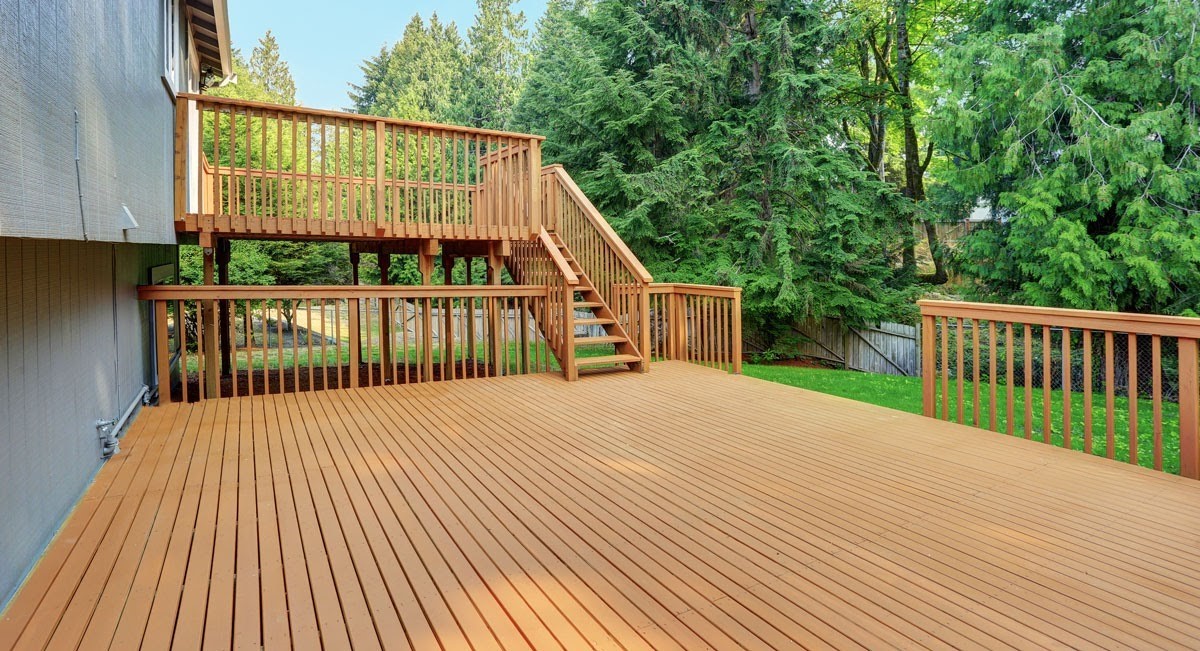
As temperatures rise and days get longer, your outdoor space becomes more than just a backyard, it becomes your entertaining hub, your relaxation zone, and your summer escape.
But before you fire up the grill or host your first gathering it’s worth asking:
Is your deck actually ready for summer?
Winter weather, moisture, and time can quietly wear down even the strongest decks. And what looks “fine” at a glance could be hiding safety risks or costly damage.
Here is how to tell if your deck needs attention, and what to do about it.
Soft or Spongy Wood
If your deck feels soft underfoot or “bouncy” in certain areas, that’s a major red flag.
This usually means:
Moisture damage
Rot beneath the surface
Structural weakening
Quick test: Press a screwdriver into the wood. If it sinks easily, the wood may be compromised.
Cracks, Splinters, or Warping
Wood naturally expands and contracts with weather changes, but excessive damage is a sign your deck needs repair.
Look for:
Deep cracks in boards
Splintering edges
Warped or uneven planks
Not only does this affect the look of your deck, it can also make it unsafe for bare feet and guests.
Loose Railings or Wobbly Stairs
Safety should always come first.
If you notice:
Railings that move when you lean on them
Steps that feel unstable
Nails or screws popping out
…it’s time for immediate repairs. These issues won’t fix themselves, and they only get worse over time.
Faded, Peeling, or Missing Finish
A worn-out stain or sealant isn’t just a cosmetic issue — it leaves your deck exposed to the elements.
Signs to watch for:
Gray, weathered wood
Peeling stain
Water soaking into the surface instead of beading
A properly sealed deck should repel water, not absorb it.
Mold, Mildew, or Discoloration
Dark spots or green patches are more than just an eyesore.
They can indicate:
Excess moisture retention
Poor drainage
Long-term structural damage if left untreated
Unstable or Shifting Foundation
If parts of your deck feel uneven or appear to be pulling away from your home, this could signal a deeper structural issue.
Common causes include:
Ground movement
Improper installation
Aging support posts
This is one issue you don’t want to ignore, it often requires professional evaluation.
Your deck is one of the most used spaces during the summer months. Small issues now can quickly turn into:
Expensive repairs
Safety hazards
Missed opportunities to enjoy your space
Taking care of your deck early in the season ensures it’s ready for everything summer brings, from quiet mornings outside to hosting friends and family.
When to Repair vs. Replace
Not every issue means starting from scratch.
Repair if:
Damage is localized
Structure is still sound
Issues are mostly cosmetic
Replace if:
There’s widespread rot
Structural integrity is compromised
The deck is nearing the end of its lifespan
If you’re unsure about your deck’s condition, it’s always better to have it assessed before peak season hits.At Central Coast Decks and Siding, we believe your outdoor space should feel just as intentional and well-crafted as the inside of your home.